Slot machines look simple. You put in money, hit a button, and hope for matching symbols. Easy, right? That’s what every beginner thinks. But the truth is, as any seasoned player on 55five will tell you, there’s an art to playing slots without looking like you just wandered into the casino for the free drinks.
Even though slots are based on luck, how you approach the game can make you look seasoned or completely green. If you’d rather not stand out as the newbie who doesn’t know what they’re doing, avoid these five rookie mistakes.
1. Ignoring the Paytable (a.k.a. Not Knowing What You’re Playing)
You wouldn’t play poker without knowing which hands win, right? Yet new slot players jump in without even glancing at the paytable, the game’s instruction manual.
Every slot has different rules. Some pay left to right, some both ways. Some have bonus rounds, wilds, and multipliers. The paytable shows how everything works. Ignoring it means you’re basically playing blind.
What happens? You’ll cheer for the wrong symbols, wonder why your “win” didn’t pay out, or miss bonus features entirely.
Fix it: Spend thirty seconds checking the paytable before you spin. Look for:
- How paylines work (and how many you’re betting on)
- What symbols are worth the most
- How to trigger bonuses or free spins
That tiny bit of effort separates the rookies from the regulars.
2. Chasing Losses Like It’s a Full-Time Job
This one’s a classic. You lose a few spins, start feeling annoyed, and decide the next one has to be the winner. So you double your bet. Then again. Then again. And before you know it, your “quick session” turned into a donation to the casino’s electric bill.
Chasing losses is the fastest way to drain your bankroll. Slots don’t owe you anything, and they don’t remember your last spin. Each round is random, completely disconnected from the one before.
Fix it: Decide on a budget before you start and stick to it no matter what. When you’re down, take a walk or call it a night. Walking away is the most professional-looking move you can make. Nothing says “rookie” like angrily mashing the spin button after a bad streak.
3. Not Understanding Volatility and RTP
Here’s a mistake that makes even confident players look lost: not knowing what “volatility” and “RTP” mean.
Volatility (or variance) tells you how often and how much a slot tends to pay. High-volatility games pay big, but not often. Low-volatility games give smaller wins more regularly.
RTP, or Return to Player, shows the average percentage a slot pays back over time, usually between 94% and 97%.
If you ignore these stats, you might play a high-volatility game with a tiny bankroll and wonder why you keep losing. Or you might sit on a low-paying machine when you were hoping for bigger wins.
Fix it: Match the game to your style and budget.
- Short session, small bankroll? Go for low-volatility.
- Long play, chasing big hits? Pick high-volatility and pace yourself.
Knowing what you’re spinning makes you look like you belong there, not like you picked a game because it had pretty dragons or sparkly gems.
4. Skipping the Bonuses and Loyalty Programs
If you’re playing slots without using the casino’s loyalty card or bonuses, you’re leaving free money on the table. Rookies often ignore these because they think it’s too much hassle or only for high rollers. It’s not.
Casinos love rewarding players who stick around. Free play, meal comps, cashback, and online deposit bonuses all add up. Over time, that’s real value, especially if you play regularly.
Fix it: Always sign up for the rewards program before you start. In online casinos, check for welcome bonuses or free spin offers. Just remember to read the terms, since some bonuses come with wagering requirements that affect how and when you can cash out.
Playing smart isn’t just about pressing buttons. It’s about using every advantage available.
5. Thinking All Slots Are the Same
This one’s easy to spot. The rookie walks through the casino, stops at the first open machine, and sits down like it doesn’t matter. But it does matter.
Modern slot games vary wildly, from simple three-reel classics to sprawling video slots with storylines, mini-games, and even skill-based elements. Each one has its own rhythm and strategy.
When you treat every slot the same, you’re missing out on what makes the game fun and often losing faster because you’re not playing to its strengths.
Fix it: Experiment. Try different styles and see what you enjoy most.
- Want quick, simple play? Stick with three-reel classics.
- Like a little adventure? Go for themed video slots with bonus rounds.
- Prefer steady payouts? Pick games with frequent small wins over jackpot chasers.
The pros know their favorites and why they play them.
READ ALSO: Safe Bets: Ensuring World of Online Gambling Security
Bonus Rookie Move: Believing in “Hot” or “Due” Machines
Let’s be honest, this one’s part of casino folklore. You’ll hear players swear a machine is “hot” or “due to hit.” Spoiler: it’s not. Slots use random number generators (RNGs), meaning every spin is totally independent.
If a game just hit a jackpot, that doesn’t mean it’s cold. If it hasn’t paid in a while, it’s not warming up. It’s random, every single time.
Believing otherwise just makes you look superstitious, not strategic.
Wrapping It Up
There’s nothing wrong with being new; everyone starts somewhere. But looking like you have no idea what you’re doing? That’s avoidable.
Here’s the quick cheat sheet:
- Read the paytable.
- Don’t chase losses.
- Know your game’s volatility and RTP.
- Use bonuses and loyalty programs.
- Don’t assume all slots are the same.
Slots are meant to be fun. Play smart, manage your expectations, and enjoy the ride. And if you ever catch yourself believing the next spin has to be the lucky one, congratulations—you just spotted your inner rookie.


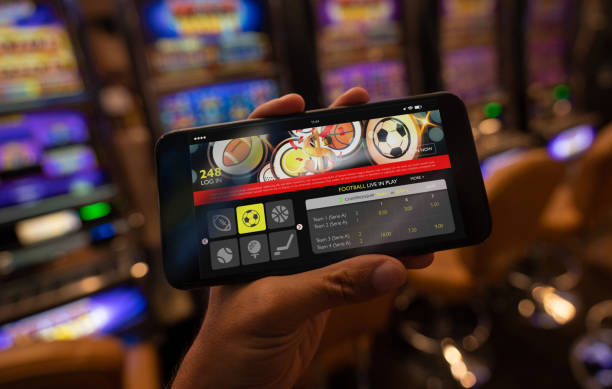
 Smartphones have created another major gaming environment. Mobile games can be played almost anywhere, encouraging developers to design experiences specifically for smaller screens and shorter sessions.
 There are various players with different preferences. Some like classic table games, some like to wager on sports. Others want to play the slots and others like to play the slots with the live dealer or with the live dealer. A platform with a wide variety of games to choose from means players can try out a variety of games without having to register multiple accounts.
 Global digital payments have expanded rapidly in recent years, with blockchain-based transactions gaining wider acceptance across industries, including online gaming. This shift has created new expectations among players who want faster, more flexible, and more private ways to engage with casino platforms.

 Responsible Gaming 2.0 is leading the way in artificial intelligence. Behavioral analytics powered by artificial intelligence are already helping operators spot potentially harmful gambling trends in real time. To illustrate:
 Gambling in casinos really took off during the middle of the twentieth century. After Nevada allowed casinos in 1931, Las Vegas exploded in popularity as a gambling destination. As a result, additional states progressively legalized casino gambling, and Atlantic City did the same in 1976.
 Classic, or three-reel, slots offer a taste of the past. Their simple gameplay, fruit symbols, and restricted paylines make them a no-frills game. Classic slot machines are great for fast play and nostalgia.
 Engage in the Thrilling World of Dystopia
 Strict anti-money laundering (AML) laws frequently apply to online casinos to stop illegal activities, including money laundering and the financing of terrorism. Casinos must establish strong Know Your Customer (KYC) protocols and effective AML procedures to ensure compliance and the casino’s integrity and image.